
Timber windows — natural, warm, made to last decades
Laminated timber from the Urzędowski factory: oak, pine or meranti, in a classic or modern sash shape. For those who want a natural material without repainting every few years — the timber-aluminium version.
When timber makes sense
68, 78 or 92 mm — three thicknesses, three levels of warmth
Timber-aluminium: no painting on the façade side
Wood systems in our range
Uw for a reference window with a triple-glazed unit. We will calculate the exact value for your dimensions and glazing when preparing your quote.
| System | Depth | Uw from |
|---|---|---|
LEXO Classic · 68 mm Classic windows in laminated timber (oak, pine or meranti) — rounded sash edges and a warm, traditional character. For renovations and period-style homes. | 68 mm | 1.1 |
LEXO Modern · 68 mm The same construction as LEXO Classic but with a square-edged sash — timber in a modern form, with no mouldings. | 68 mm | 1.1 |
GALUX Classic · 78 mm A deeper 78 mm profile with a softly shaped sash — noticeably better insulation than 68 mm while keeping the classic look. | 78 mm | 0.9 |
GALUX Modern · 78 mm 78 mm in a plain, minimal form. The sensible middle of the timber range — warmth with contemporary design. | 78 mm | 0.9 |
GALUX Classic · 92 mm The deepest timber profile we offer — 92 mm for triple glazing, Uw from 0.76 W/m²K. A classic sash with low-energy performance. | 92 mm | 0.76 |
GALUX Modern · 92 mm Urzędowski's top line: 92 mm depth, a square sash, Uw from 0.76. Timber that matches the best PVC systems. | 92 mm | 0.76 |
GALUX Alu Modern · 88 mm Timber inside, an aluminium shell outside (Quadrat) — a natural interior with no painting on the façade side. A solution that lasts decades without upkeep. | 88 mm | 0.75 |
LEXO Alu Modern · 68 mm The economical timber-aluminium option — 68 mm with a Quadrat FB shell. Warmth and the look of wood inside, aluminium durability outside. | 68 mm | 1.05 |
Frequently asked questions
How often do timber windows need painting?
+
It depends on sun exposure and orientation. Factory coatings last for many years; after that a wash and a fresh coat of lacquer is enough. The timber-aluminium version removes this chore entirely.
Which wood to choose: oak, pine or meranti?
+
Pine is the lightest and cheapest and takes opaque colours well. Meranti is a stable tropical hardwood with a fine grain, popular under translucent stains. Oak is the hardest and heaviest, with a pronounced grain — a choice for years to come, also in a natural finish.
Are timber windows warmer than uPVC?
+
The profiles themselves insulate comparably — wood is naturally warm, uPVC makes up for it with chambers. The result is decided by profile depth and the glass unit. GALUX 92 with triple glazing and the deepest uPVC profiles land in a similar place, around 0.7–0.8 W/m²K.
Read before you choose
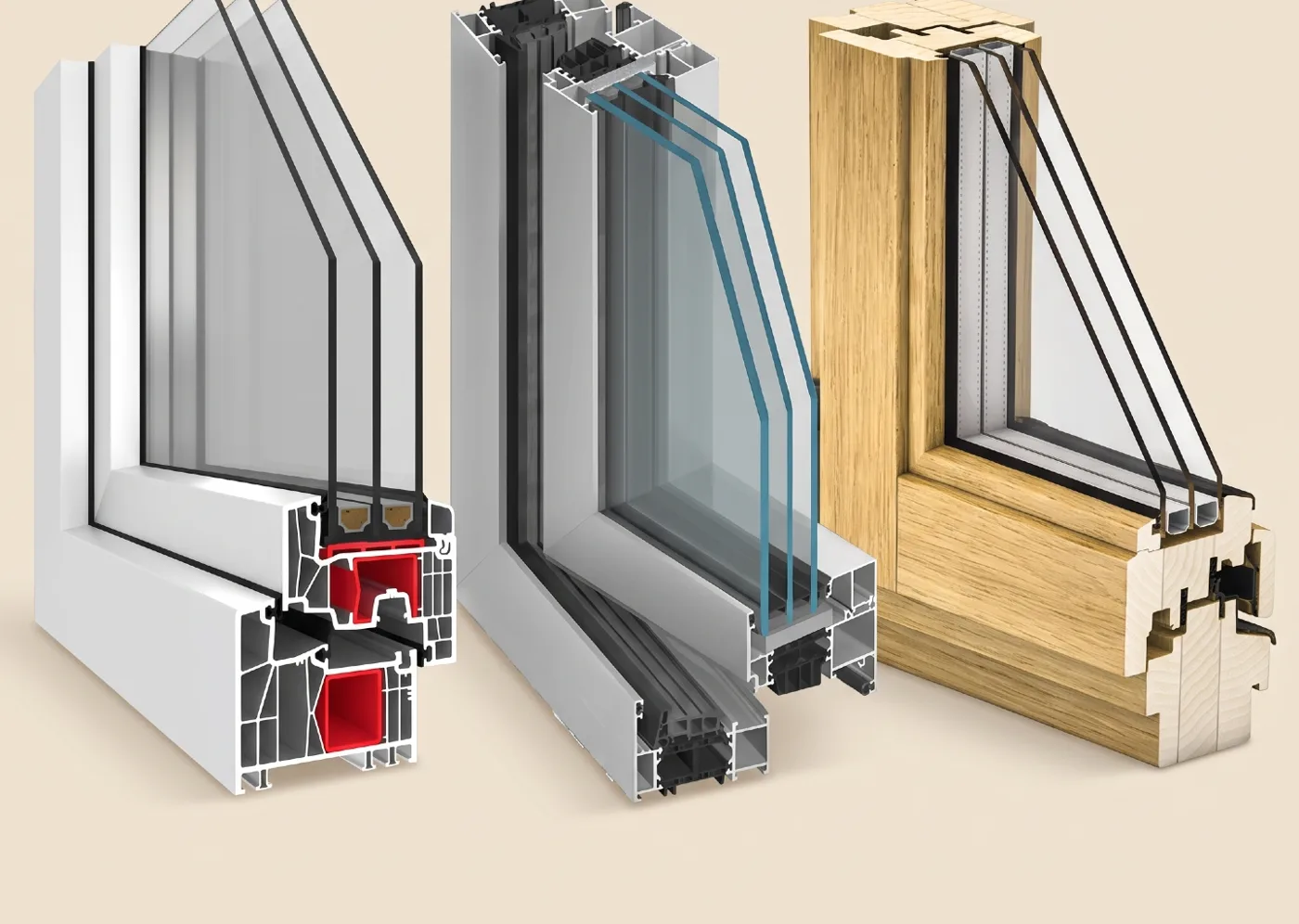
uPVC, aluminium or timber windows? Real differences, not marketing slogans
Which window material to choose: uPVC, aluminium or timber? We compare insulation, stiffness, maintenance and price — plus chamber counts and four uPVC systems in numbers.
Read →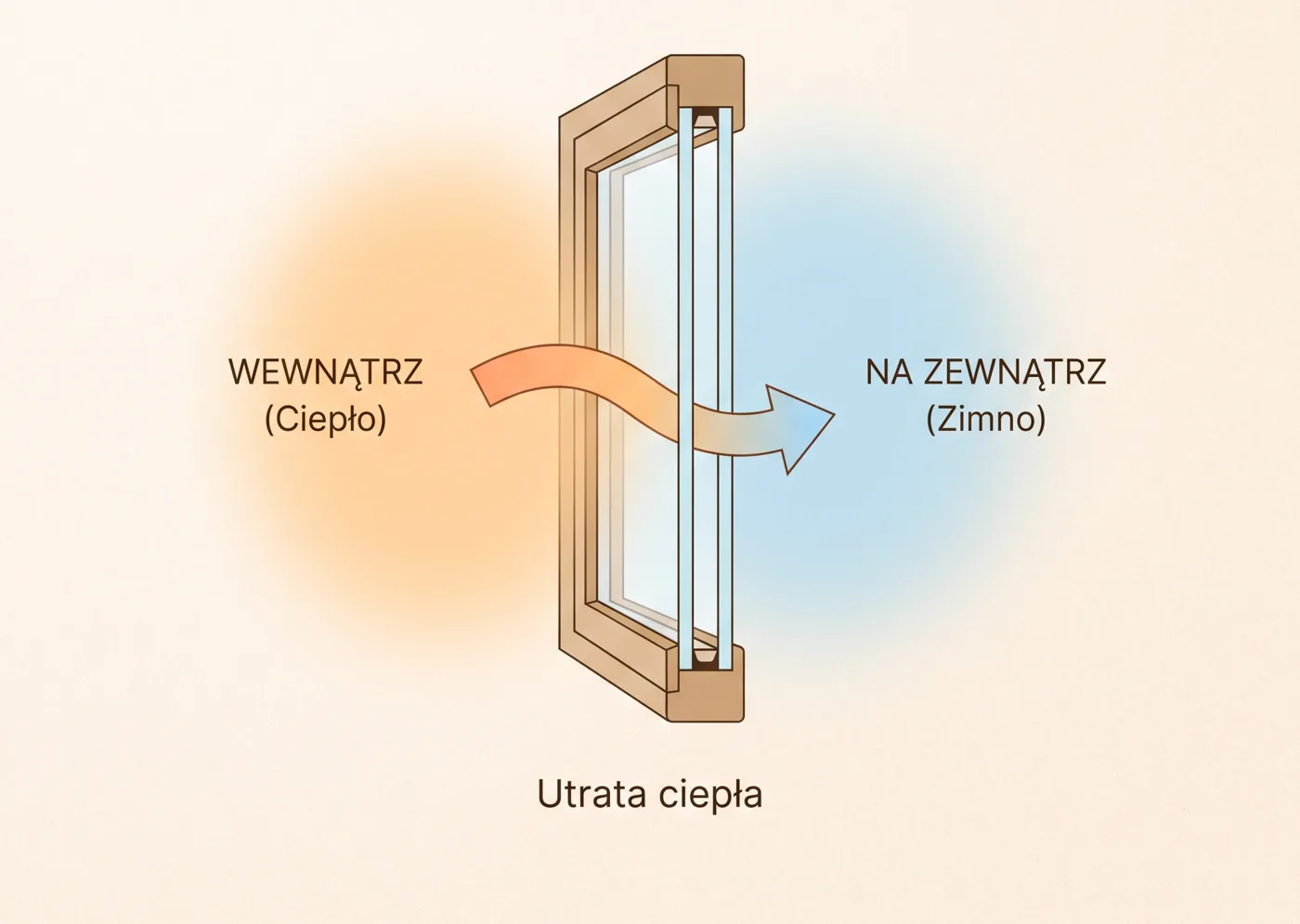
The Uw value — how much heat escapes through a window, and why a lower number means a lower bill
What Uw means, how it differs from the Ug of the glass, what a warm-edge spacer is worth and why a warm window does not mean a cool house in summer. Numbers from manufacturers' data.
Read →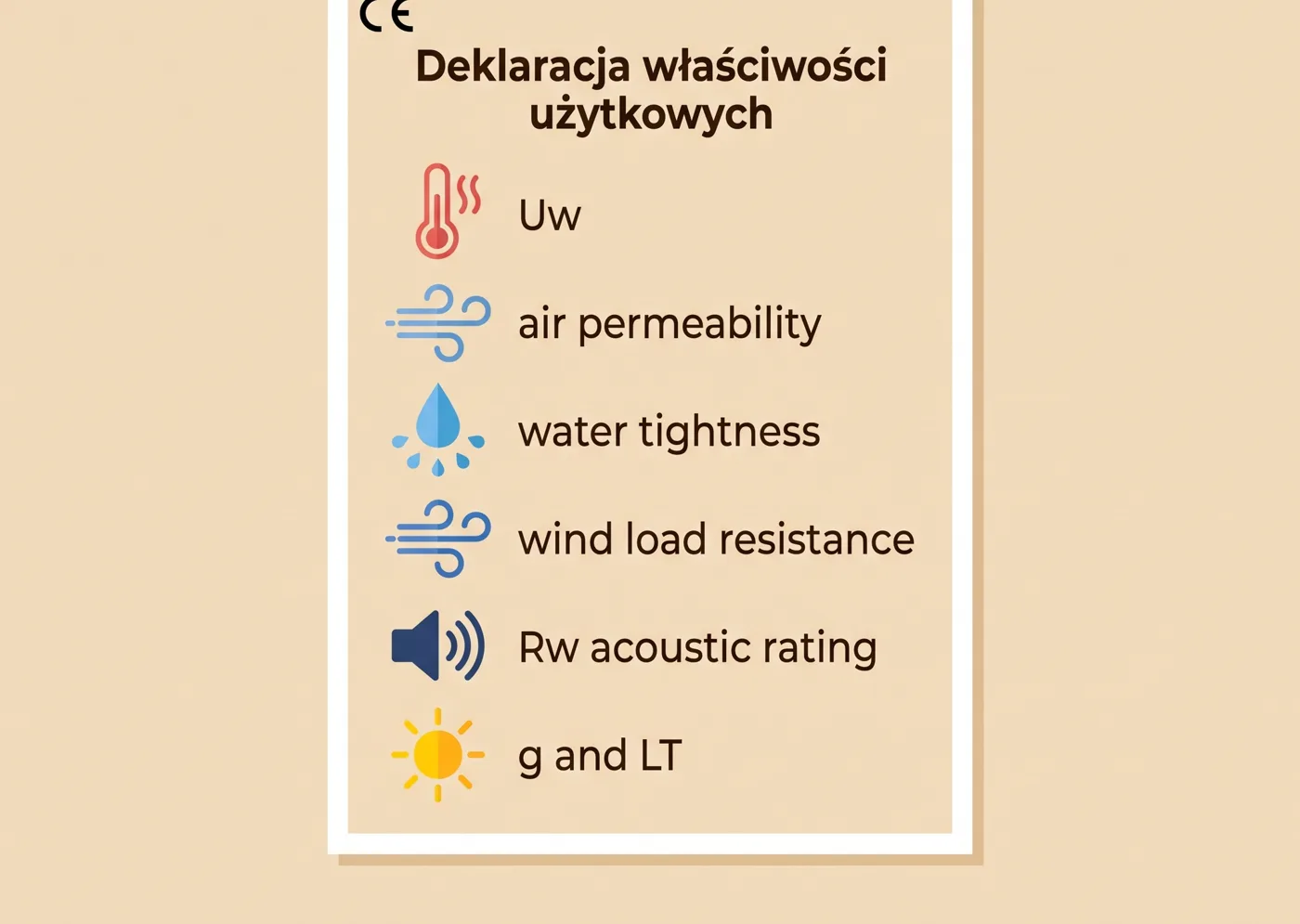
The declaration of performance — the best tool for comparing window quotes
Since 2013 every window must carry the CE mark and a declaration of performance (DoP). What it contains, how to use it when comparing quotes, and what the building inspector may ask for.
Read →See the other materials too
Configure a window and get a firm quote
Dimensions, layout, opening types, glazing and colour take a few minutes to set in the configurator. A real person answers with a quote within 48 hours — no price ranges, no obligation.